
Astorino Premiere at iREX 2025 in Tokyo: A Polish Educational Robot at the Center of Global Robotics in Collaboration with Kawasaki Heavy Industries
Following its presentation at the Expo 2025 World Exhibition in Osaka, the next strategic step in the international development of the Astorino educational robot is its presence at the International Robot Exhibition iREX 2025 in Tokyo—the largest robotics trade fair in the world. The robot is showcased at the Kawasaki Robotics booth, marking both a symbolic and business milestone as the project enters a new phase of global collaboration.
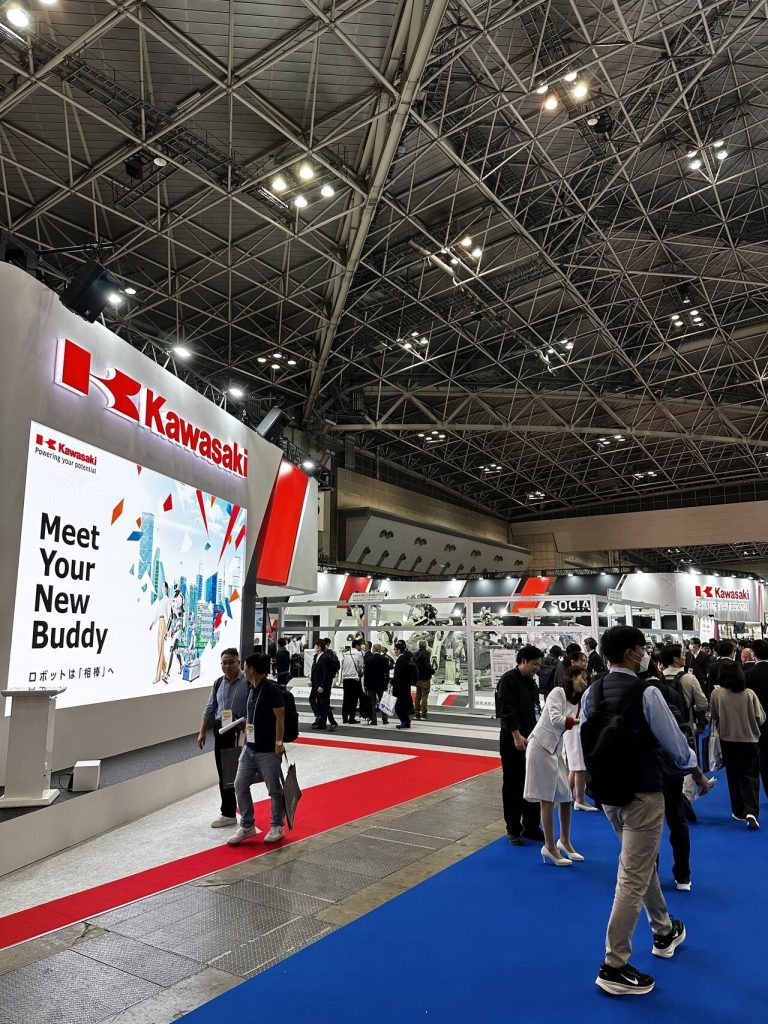
iREX is an event that has been shaping the direction of global robotics for over 50 years—from heavy industry, logistics, and medicine to automation, education, and human-collaborative robots. This year’s Kawasaki Heavy Industries theme—“Meet Your New Buddy”—highlights a shift in how technology is perceived: a robot is no longer just a machine, but a partner to humans in work, learning, and development.
The slogan ‘Meet Your New Buddy’ perfectly reflects the direction robotics is heading today—from machines to human partners. This is exactly the philosophy we have been developing at ASTOR for years: technology should support people, develop their competencies, and become an increasingly natural tool in everyday work and learning,
emphasizes Dariusz Biega, Robotics Business Line Director at ASTOR.
This idea is fully aligned with ASTOR’s long-standing philosophy, described as an approach where technology meets people—not to replace them, but to support their skills, foster creativity, and facilitate learning through practice.
From the very beginning, we have believed that robotics should be a tool for human development, not a barrier. Astorino was created precisely so that young engineers can learn through daily practice, experimentation, and making mistakes,
adds Dariusz Biega.
Official presentation of Astorino on Kawasaki’s Japanese iREX website
On Kawasaki’s official Japanese iREX 2025 website, Astorino was presented as a new product in the education category with the following description:
“教育用ロボットAstorino
学校や大学での教育用途向けとして、学生が自由に実験・失敗から学べることを目指し設計されたロボット.”
which translates to:
“Educational robot Astorino. A robot designed for educational use in schools and universities, enabling students to freely experiment and learn from mistakes.”
This serves as a clear, official confirmation of Astorino’s position as an educational solution within Kawasaki’s global offering.
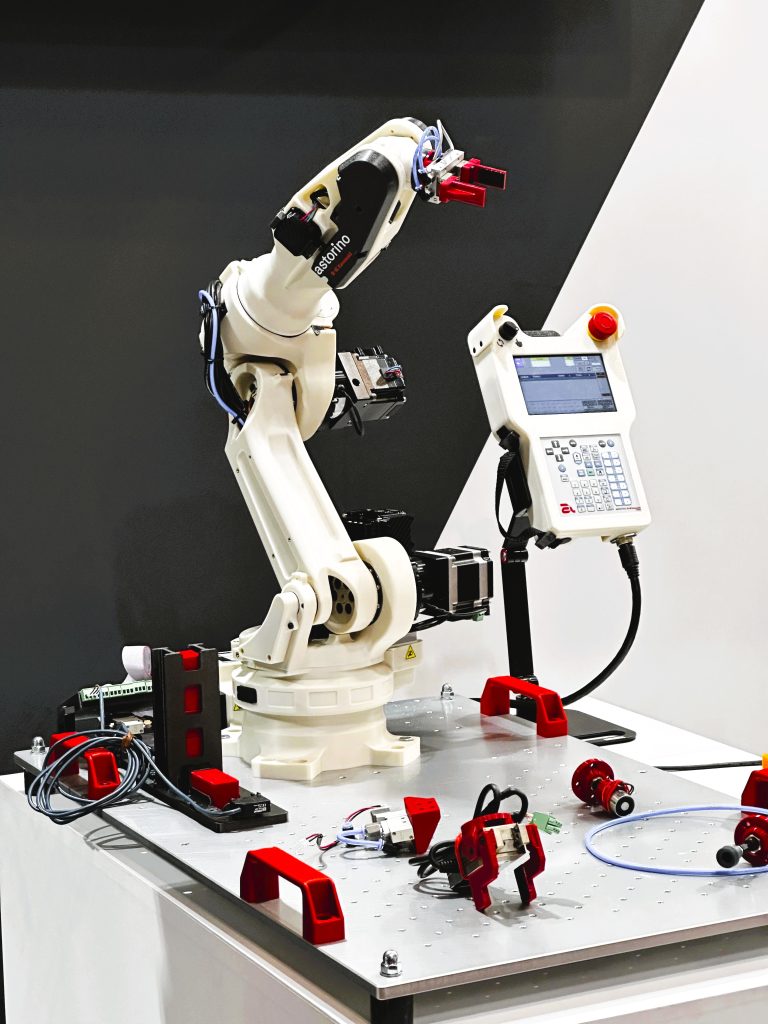
Astorino C version – a premiere designed specifically for Japan
At iREX 2025, a new version of the robot is being presented—Astorino C—designed specifically for the Japanese market. The distinctive white version of the robot is the result of over a year of intensive engineering work, testing, and adaptation to meet the high technological standards of Kawasaki, a robot manufacturer with over 60 years of experience. Two new units of the C version were built in Poland, tested, and shipped to Japan, where they underwent further validation. iREX 2025 marks their official market debut in Japan.
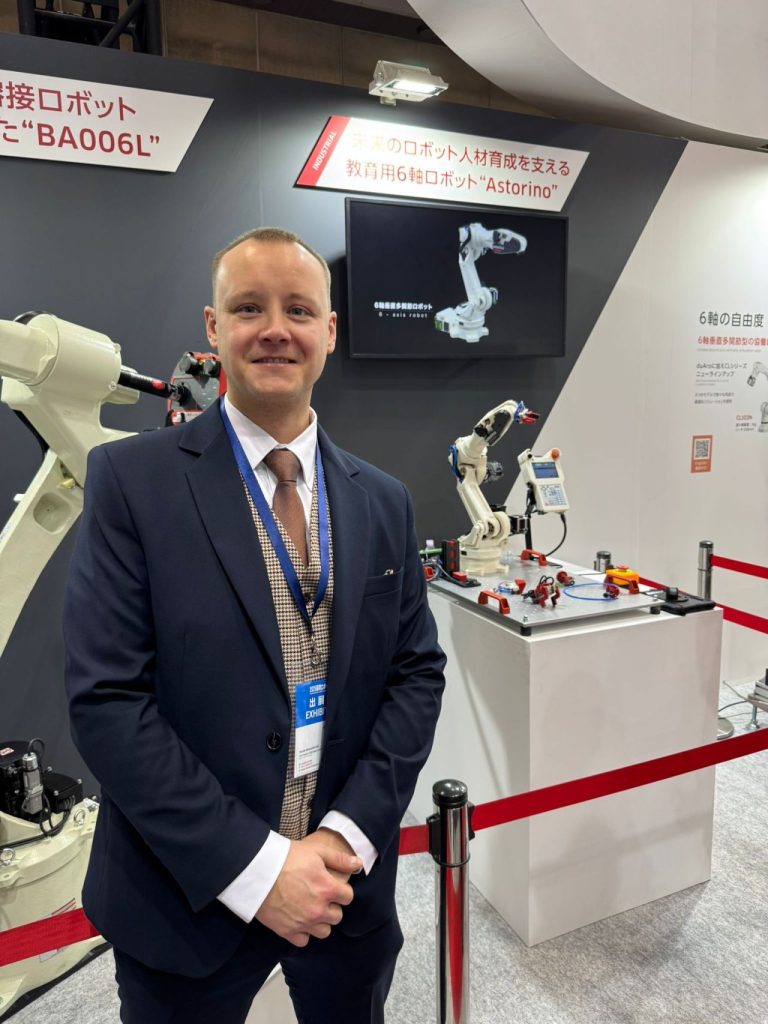
From the very beginning, we wanted Astorino—despite its educational accessibility—to provide a real, tangible experience of working with industrial robotics. Today’s presence in Tokyo confirms that this path has global relevance,
says Marek Niewiadomski, design engineer and creator of Astorino.
It is a unique situation for a Polish product to have its premiere in Tokyo, at the world’s largest robotics exhibition. This demonstrates the level of trust we have been given,
emphasizes the ASTOR team.
The result of years of ASTOR–Kawasaki relationship building
Astorino’s presence at iREX is not a one-time initiative, but the result of more than a decade of relationship-building between ASTOR and Kawasaki—based on shared values, an engineering-driven approach to quality, and long-term technological development. The letter of intent signed during Expo 2025 in Osaka was a formal confirmation of this path, while iREX 2025 represents its next natural and strategic stage—now directly on the global robotics stage.
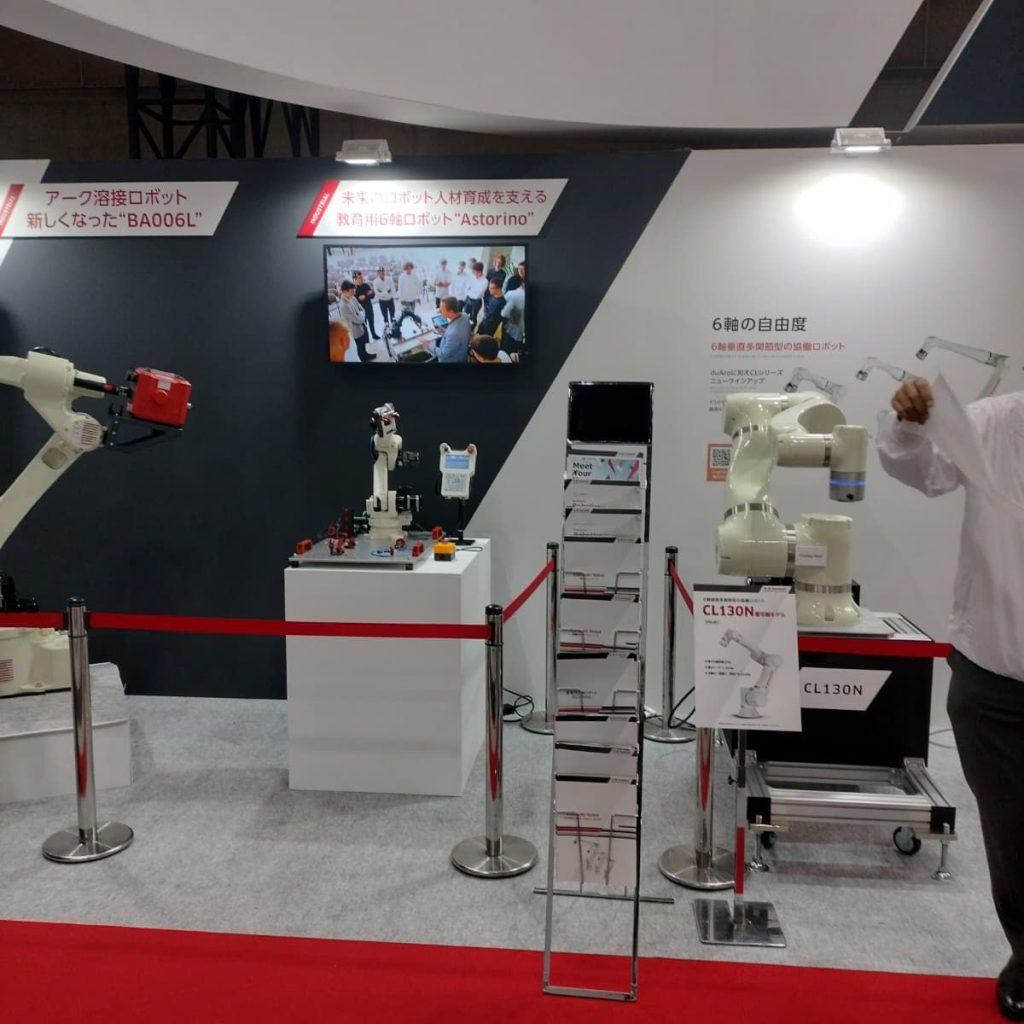
Japan – a global benchmark for technical education
Japan’s technical education system has long been recognized as one of the most demanding and practice-oriented in the world. It emphasizes learning by doing, teamwork, and direct interaction with real industrial technologies—from KOSEN schools and technical universities to research laboratories.
In this context, Astorino—a robot designed for learning through experimentation and making mistakes—fits perfectly into the Japanese philosophy of engineering education, bridging the gap between education and real industrial standards.
Kawasaki and education – a shared foundation for collaboration
For years, Kawasaki has actively invested in technical education in Japan:
- supporting robotics competitions for students,
- collaborating with KOSEN schools and technical universities,
- running Robot School—official training in programming and operating industrial robots,
- implementing youth programs such as “Become a Kawasaki Robot Engineer.”
The inclusion of Astorino in this ecosystem is a natural extension of this philosophy—as a tool that prepares future engineers to work with real industrial robots.
From a market perspective, we see a huge demand for education based on real industrial standards. Astorino responds perfectly to this need, which is why interest in it extends far beyond Poland and Europe,
notes Mateusz Czerwonka, responsible for robot sales at ASTOR within the Robotics Business Line.
iREX highlights [1]: Kawasaki’s new mobility and CORLEO as the embodiment of the “Buddy” concept
Kawasaki’s iREX 2025 showcase features not only industrial and educational robots, but also visionary new mobility projects. One of the most spectacular innovations is CORLEO—a four-legged off-road vehicle representing a new embodiment of the “Fun to Ride” philosophy.
The name CORLEO comes from the Latin Cor Leonis (“Heart of the Lion”), also an alternative name for the star Regulus (Alpha Leonis). It reflects both the inspiration drawn from a lion’s form and movement, as well as the symbolism of journeys guided by the stars—highlighting the fundamental human impulse to move and explore.
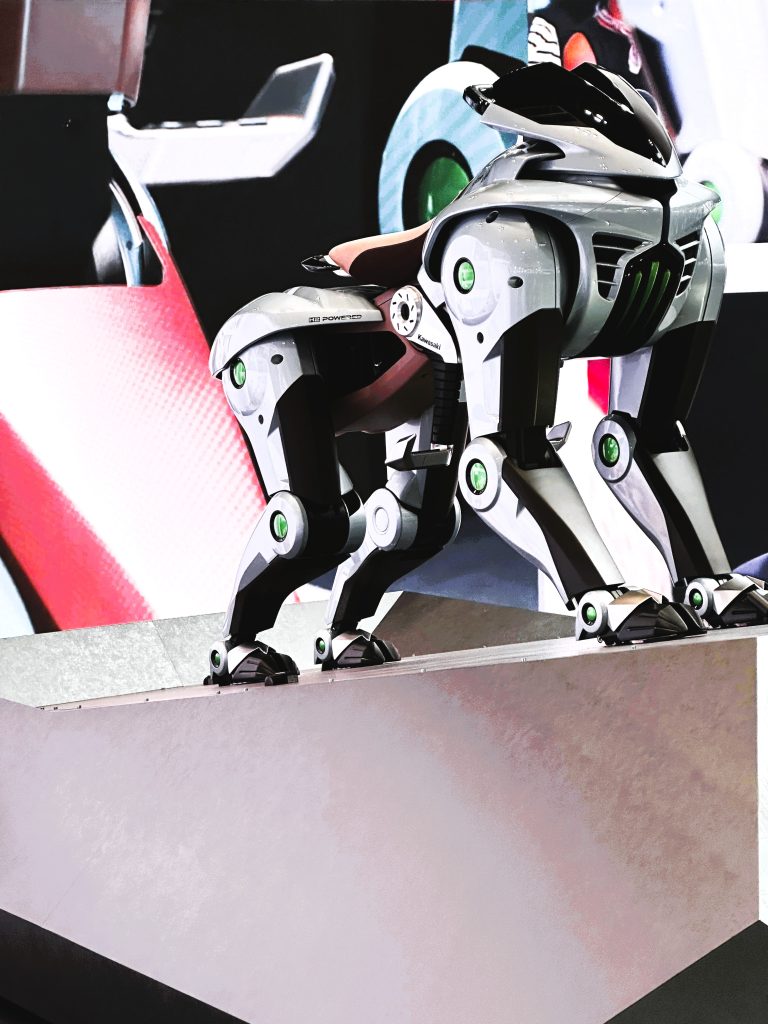
CORLEO eliminates wheels entirely in favor of legs, offering a new level of stability and safety in challenging terrain. It is controlled by the user’s body balance—without a traditional steering wheel or throttle—combining the experience of motorcycling with horseback riding. Although it resembles a robot, CORLEO is not an autonomous machine, but a vehicle.
iREX highlights [2]: KALEIDO – redefining the human–technology relationship
Another innovation presented in Tokyo is KALEIDO—a humanoid robot developed by Kawasaki Robotics, designed for collaboration with humans in industrial and research environments. KALEIDO reflects a vision in which human-like robots can perform tasks requiring dexterity, mobility, and adaptation to spaces originally designed for people. Its presence at iREX clearly signals Kawasaki’s continued development of robots as “buddies”—human partners rather than purely autonomous machines.
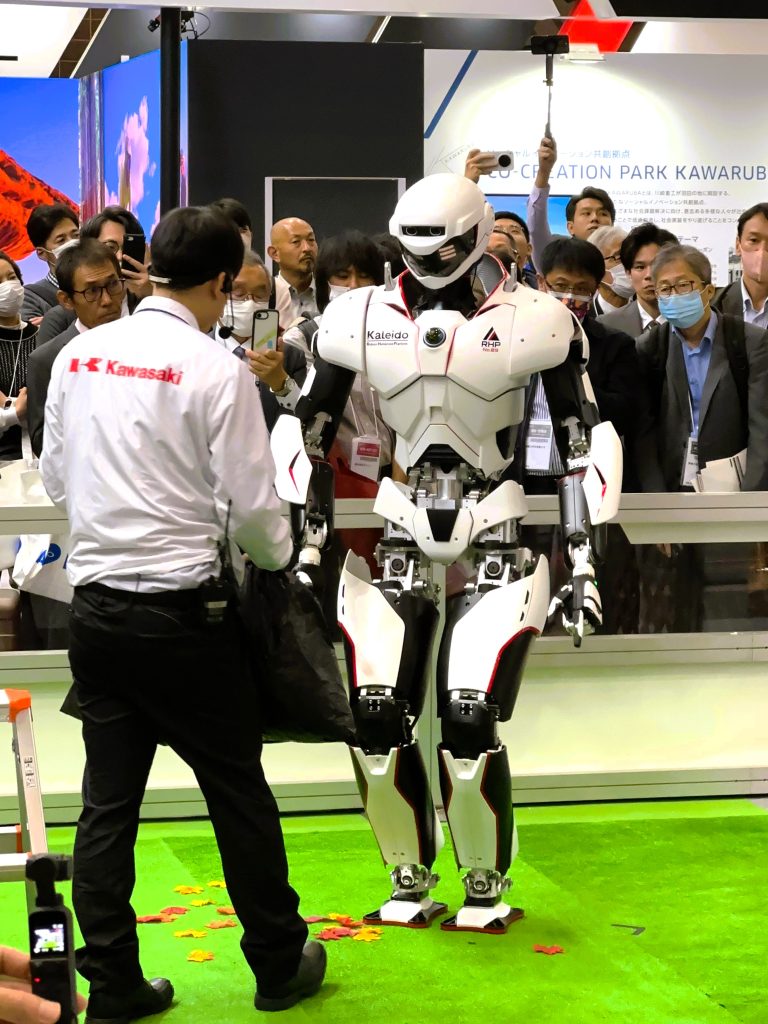
Both CORLEO and KALEIDO perfectly align with Kawasaki’s “Meet Your New Buddy” theme, showcasing different aspects of the same idea: future technology should be intuitive, safe, and close to humans—whether supporting them at work, in education, or in new mobility experiences.
ASTOR CEE HUB and the global dimension of collaboration
ASTOR serves as the operator of the Kawasaki Robotics CEE HUB, responsible for developing the Central and Eastern European market. The day before iREX, during the Kawasaki Robotics Global Partner Meeting, ASTOR received an award for the highest global sales growth.
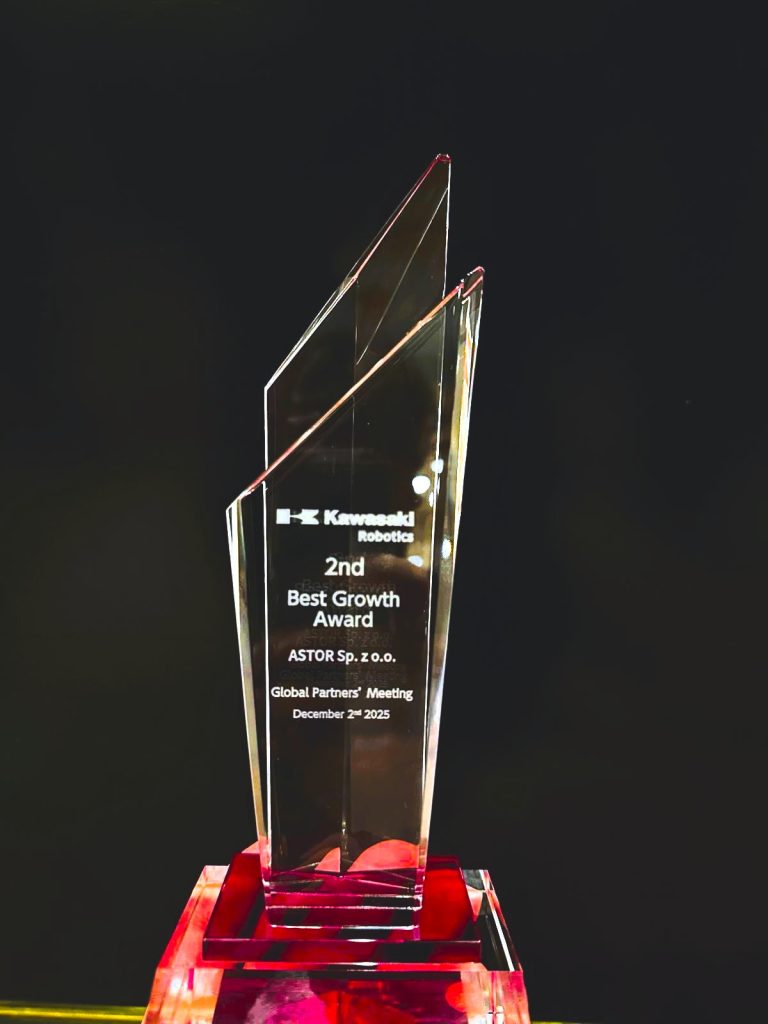
We treat this recognition as confirmation that long-term integration of technology with real human and industrial needs brings not only vision but also tangible business results. What makes us particularly proud is that this award reflects the second-highest sales growth over the past year—China ranked first, and Korea third. This demonstrates our enormous potential and impact,
emphasizes Marcin Brydak from ASTOR CEE HUB, adding:
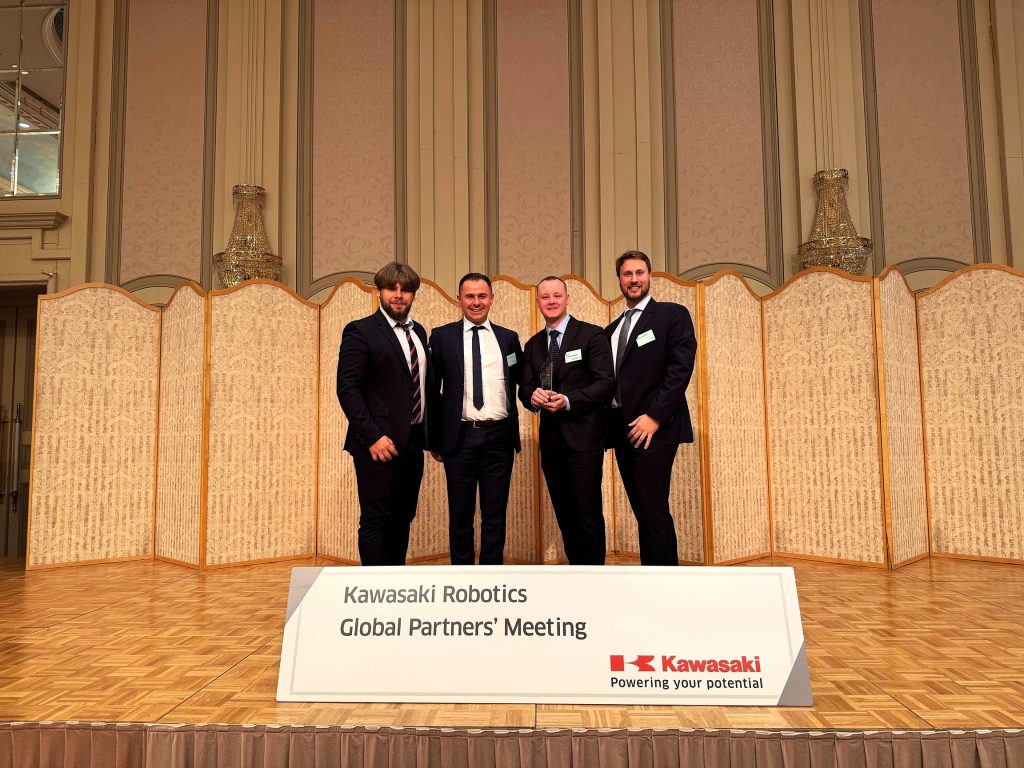
iREX is a place where you can see the full scale of the global transformation of robotics—from factories, through education, to new mobility. As ASTOR, we have an influence on how these technologies reach the CEE region.
Astorino – Polish engineering on the global stage
Astorino is a 6-axis educational robot that enables programming in the same environment as Kawasaki industrial robots. It serves as a bridge between education and real industrial automation.
Its presentation at iREX 2025:
- confirms its readiness to enter the Japanese market,
- strengthens its position as a solution with global potential,
- represents another step in the internationalization of Polish engineering excellence.