
Robot Track vs Larger Robot: Which Option Makes More Sense?
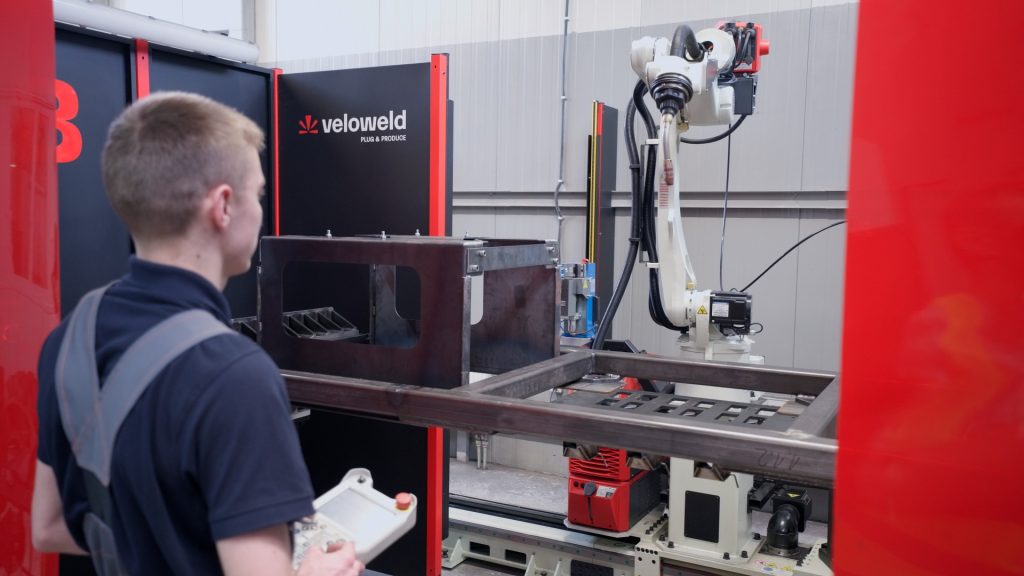
One of the most common questions manufacturers face when planning a robotic automation project is:
Should we buy a larger robot or add a robot track?
At first glance, purchasing a robot with a longer reach seems like the simplest solution. After all, if the robot cannot reach every point on the workpiece, a larger robot should solve the problem. In reality, the answer is often more complicated.
A larger robot can increase reach, but it also comes with higher costs, greater floor space requirements, increased inertia, and reduced flexibility. In many applications, a robot track (also known as a robot rail or linear axis) provides a more efficient and cost-effective solution.
Understanding the advantages and limitations of both approaches is essential when designing a robotic welding, material handling, machining, or assembly system.
The Real Problem: Limited Robot Reach
Every industrial robot has a defined working envelope.
Once a workpiece exceeds that envelope, manufacturers typically consider one of four options:
- Reposition the workpiece manually
- Purchase a larger robot
- Add a second robot
- Install a robot track
The right choice depends on factors such as:
- Part size
- Production volume
- Cycle time requirements
- Available floor space
- Budget
- Future flexibility
The mistake many companies make is assuming that a larger robot is automatically the best solution.
What Is a Larger Robot?
A larger robot is simply a robot with increased reach and often higher payload capacity.
For example:
| Robot Type | Typical Reach |
| Medium Robot | 2.0–3.0 m |
| Large Robot | 3.5–4.0 m |
| Heavy-Duty Robot | 4.0 m+ |
A larger robot can access a wider area without moving its base. This seems attractive, but increased reach introduces several engineering challenges.
What Is a Robot Track?
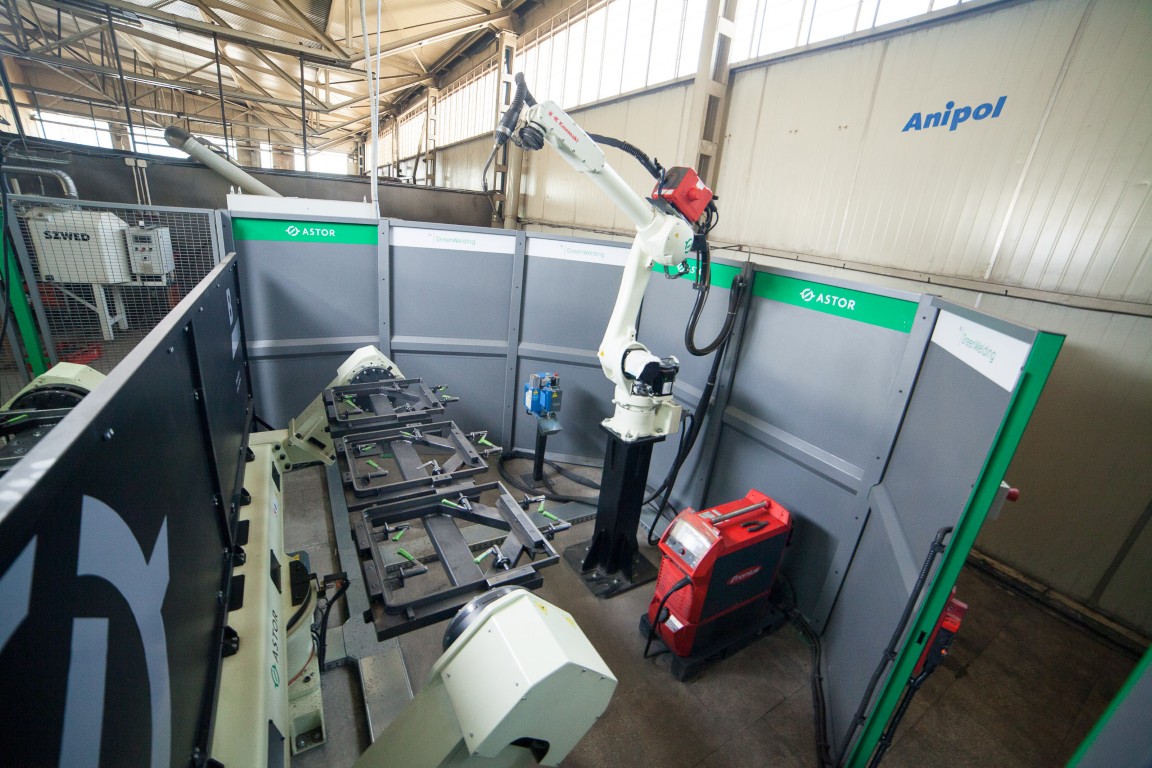
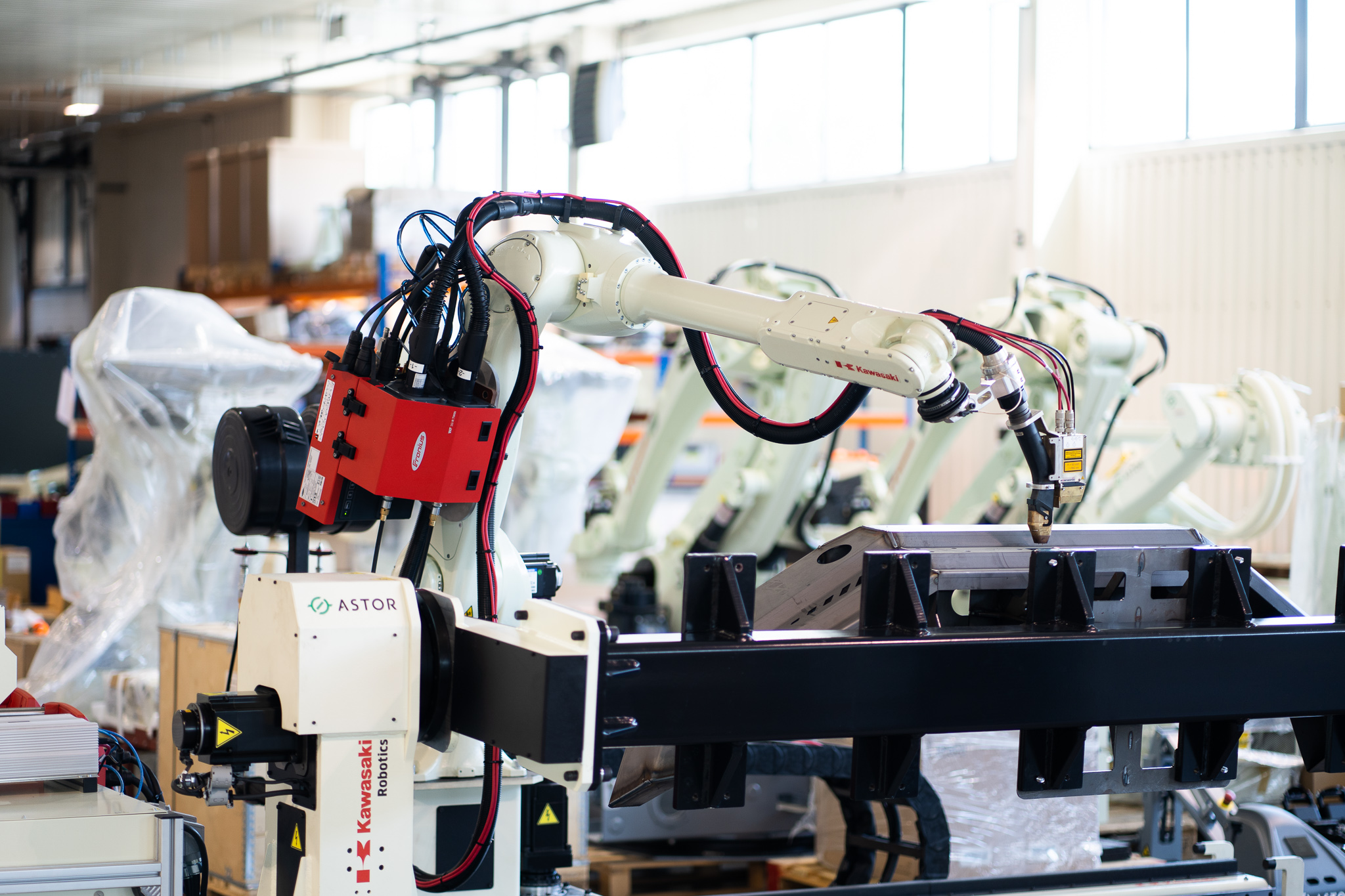
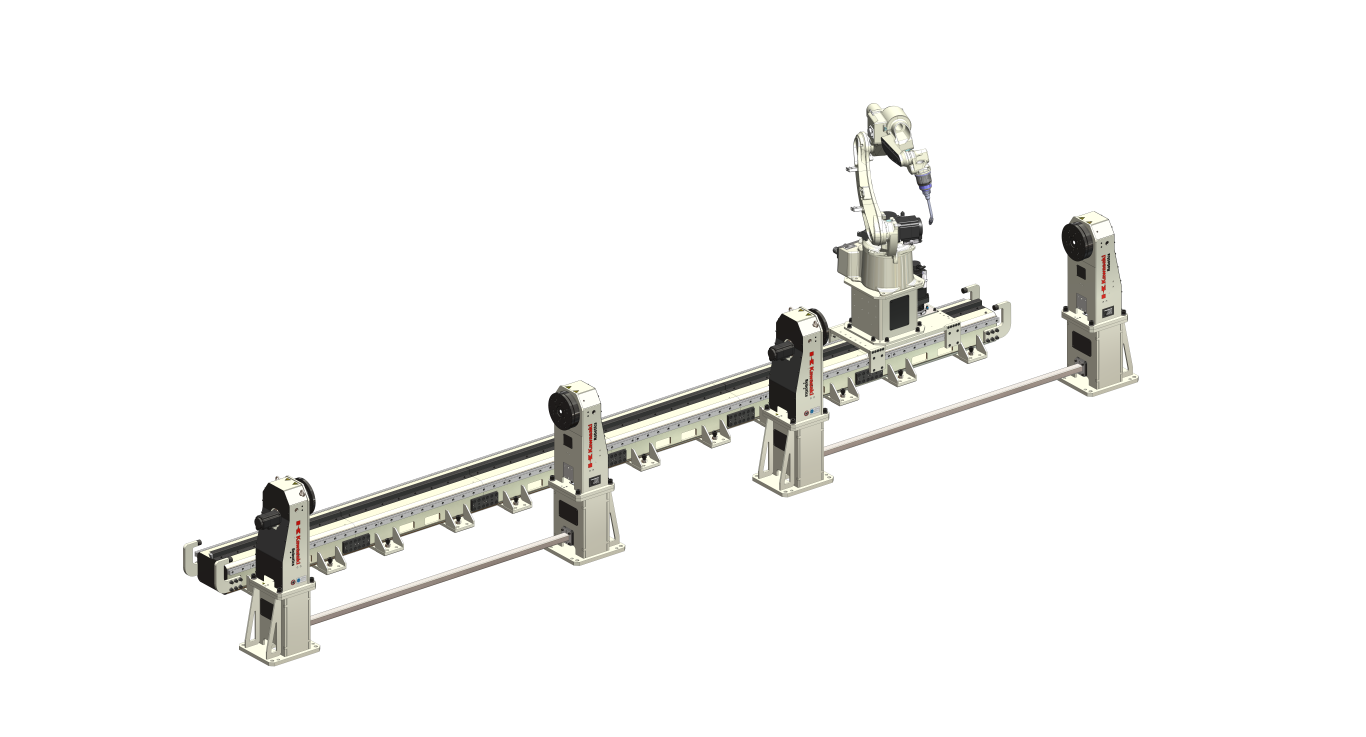
A robot track is a servo-controlled linear axis that allows the robot to travel along a rail. Instead of extending the robot arm, the entire robot moves.
The track becomes an additional axis integrated into the robot controller. A robot with a 3-meter reach mounted on a 6-meter track can cover a workspace significantly larger than many fixed robots. In most applications, the robot track acts as a seventh axis.
Comparing Workspace Coverage
Let’s consider a practical example.
- Option 1: Larger Robot
Robot reach: 4.0 m
Maximum coverage remains limited to the robot’s working envelope.
- Option 2: Robot on Track
Robot reach: 3.0 m
Track length: 6.0 m
Effective coverage increases dramatically because the robot can reposition itself along the rail.
For large structures such as:
- Machine frames
- Structural steel assemblies
- Agricultural equipment
- Rail components
the robot track often provides substantially greater coverage.
Cost Comparison
Many manufacturers assume robot tracks are expensive. In reality, a larger robot frequently increases project costs in multiple ways.
- Larger Robot Costs
A larger robot typically requires:
- Higher initial investment
- Larger safety zones
- Stronger foundations
- Larger positioners
- Increased energy consumption
- Robot Track Costs
A track adds:
- Rail structure
- Drive system
- Servo controls
- Installation costs
However, the track often allows the use of a smaller and less expensive robot.
In many applications, the total system cost is comparable or even lower.
Flexibility Comparison
This is where robot tracks often provide the greatest advantage.
- Larger Robot
A larger robot remains fixed in one location.
Future layout changes may require:
- Relocating equipment
- Purchasing additional robots
- Redesigning the cell
- Robot Track
A track provides flexibility to:
- Service multiple stations
- Handle larger parts
- Adapt to future products
- Expand production lines
For manufacturers with changing product portfolios, flexibility often becomes more valuable than maximum reach.
Payload Considerations
One overlooked issue is robot dynamics.
As robot reach increases:
- Moving mass increases
- Inertia increases
- Acceleration decreases
- Positioning performance may decline
A smaller robot on a track often maintains better dynamic performance than a significantly larger robot.
This can be particularly important in:
- Welding
- Material handling
- Assembly operations
where cycle time matters.
Accuracy and Repeatability
Many engineers assume that adding a track reduces accuracy. Modern servo-driven robot tracks are highly precise and can achieve excellent positioning performance.
In fact, a smaller robot operating closer to its optimal working range may achieve better overall performance than a larger robot operating near its maximum reach. This is especially true for robotic welding applications where consistent torch angles and smooth motion are critical.
Robot Track Advantages
A robot track is often the better choice when:
- Parts Are Long
Examples include:
- Structural beams
- Frames
- Chassis
- Rail components
Instead of stretching the robot’s reach, the robot simply travels along the workpiece.
- Multiple Stations Must Be Served
One robot can move between:
- Welding stations
- CNC machines
- Inspection stations
- Material handling zones
This increases robot utilization and reduces equipment costs.
- Future Growth Is Expected
Tracks provide scalability.
Additional workstations can often be added without purchasing another robot.
- Floor Space Is Limited
A linear track may allow a more compact layout than multiple robotic cells.
- Larger Robot Advantages
A larger robot is often the better solution when the additional reach requirement is small. If only a few extra feet of reach are needed, a larger robot may be simpler.
- The Application Is Compact
Small work cells with limited travel requirements may not justify a track.
- Maximum Simplicity Is Desired
A fixed robot generally requires:
- Fewer mechanical components
- Less maintenance
- Simpler installation
For some applications, simplicity outweighs flexibility.
Common Mistakes When Making the Decision
Looking Only at Reach
Reach is important, but it should not be the only factor.
Engineers should also evaluate:
- Flexibility
- Cycle time
- Layout efficiency
- Future expansion
Ignoring Utilization
A robot track often allows one robot to perform the work of multiple fixed robots.
This can dramatically improve equipment utilization.
Underestimating Future Requirements
Many systems are designed around current production needs.
A track can provide valuable flexibility for future products and production changes.
Focusing Only on Initial Cost
The lowest purchase price is not always the lowest total cost of ownership.
Long-term flexibility and productivity often determine the true value of an automation investment.
A Real-World Example
Consider a manufacturer producing 20-foot agricultural equipment frames.
Option A: Larger Robot
- Increased robot cost
- Limited future flexibility
- Large work envelope required
Option B: Robot Track
- Standard welding robot
- 6-meter track
- Greater coverage
- Easier future expansion
In many cases, the track solution delivers better ROI while maintaining lower overall project complexity.
Decision Checklist
Consider a robot track if:
✓ Parts exceed the robot’s working envelope
✓ Multiple stations need to be serviced
✓ Future flexibility is important
✓ Product sizes vary significantly
✓ Long welds or large structures are involved
✓ Maximum robot utilization is desired
A larger robot may make more sense if:
✓ Additional reach requirements are minimal
✓ The application is compact
✓ Simplicity is the primary objective
✓ Future expansion is unlikely
Conclusion
The decision between a robot track and a larger robot is not simply a question of reach. It is a question of flexibility, productivity, scalability, and long-term return on investment.
For large weldments, long production lines, multi-station applications, and future growth scenarios, a robot track is often the more strategic choice. A larger robot may solve today’s reach problem, but a robot track often provides the flexibility to solve tomorrow’s challenges as well.The most successful automation projects evaluate both options from a system-level perspective rather than focusing solely on robot reach.